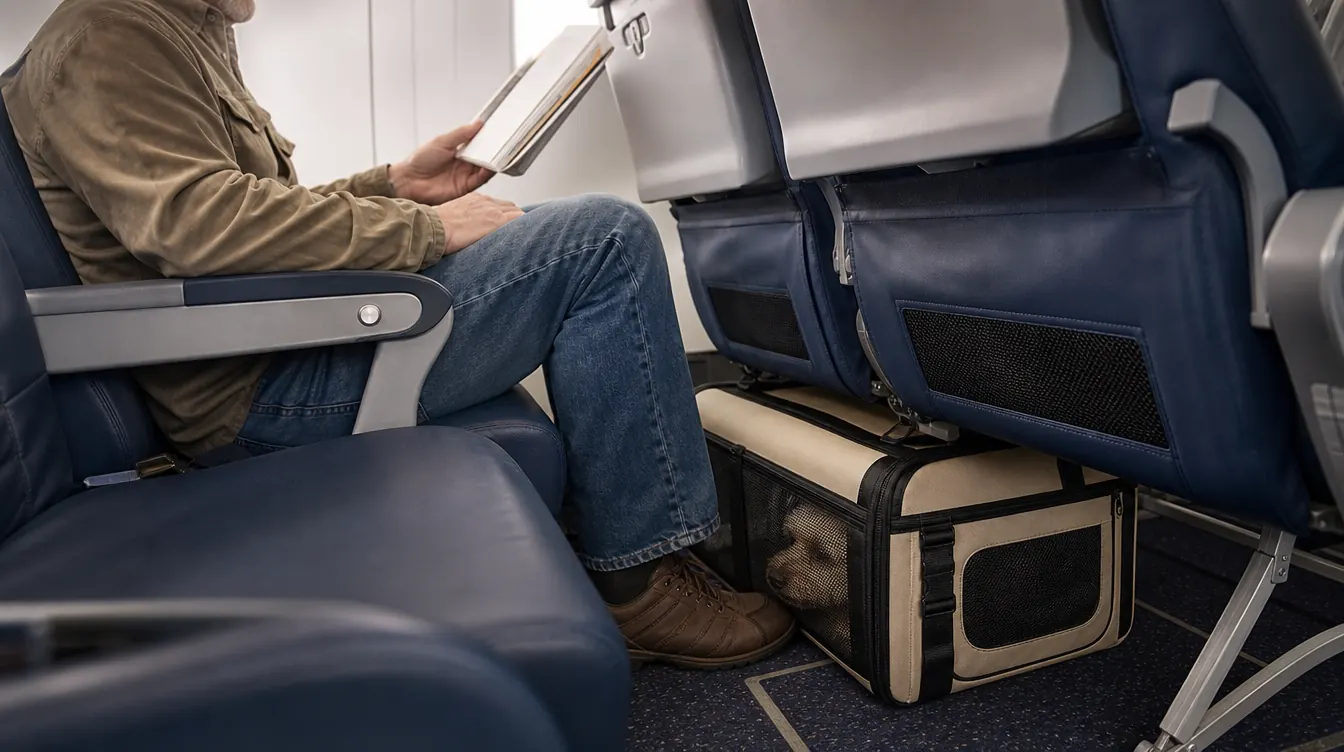
We had been in the air for about twenty minutes when I realized I was still gripping the armrest. Under the seat in front of me, curled into the Henkelion carrier, Biscuit was asleep. His head rested against the mesh, one ear at half-mast, his breathing slow and even. Our first flight together, and he had drifted off before the drink cart reached our row.
That almost did not happen. I will not put a dog in cargo, and Biscuit is the reason. He is a nine-year-old, six-pound Yorkshire Terrier who paces in the back seat of my Honda CR-V unless he can see me, so a plane sounded like a terrible idea. When a family matter came up on the other side of the country, I spent a week assuming I would stay home. Then I read the airline page that allows small dogs in the cabin if the carrier fits under the seat. I started measuring seat dimensions at eleven at night.
The carrier I already owned was the problem. It was a puffy, heavily padded bag from a big-box store, bought for road trips and never checked against an airline seat. One evening I taped the airline's under-seat measurements to the living room floor. The old carrier was two inches too wide and one inch too tall. Padding is wonderful until what you are carrying will not fit where the plane lets you put it.
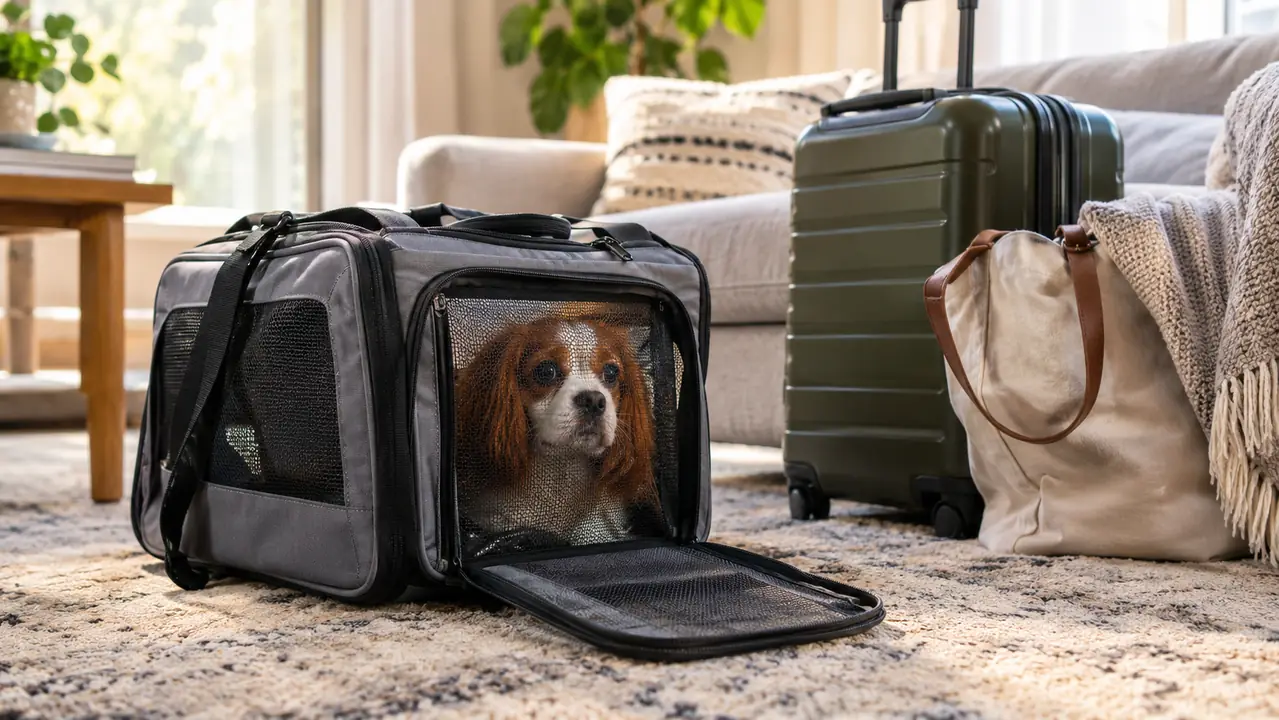
Three weeks before the flight, I started over. The Henkelion carrier won for an unglamorous reason: I measured it, it fit, and I measured again. It is soft-sided and collapsible, it opens at the top as well as at the end, and it folds flat when Biscuit is on a leash in the terminal. The side panels are mesh where his nose rests, which mattered to me because Biscuit settles when he can see out. I did not want a crate. I wanted a window seat for my dog.
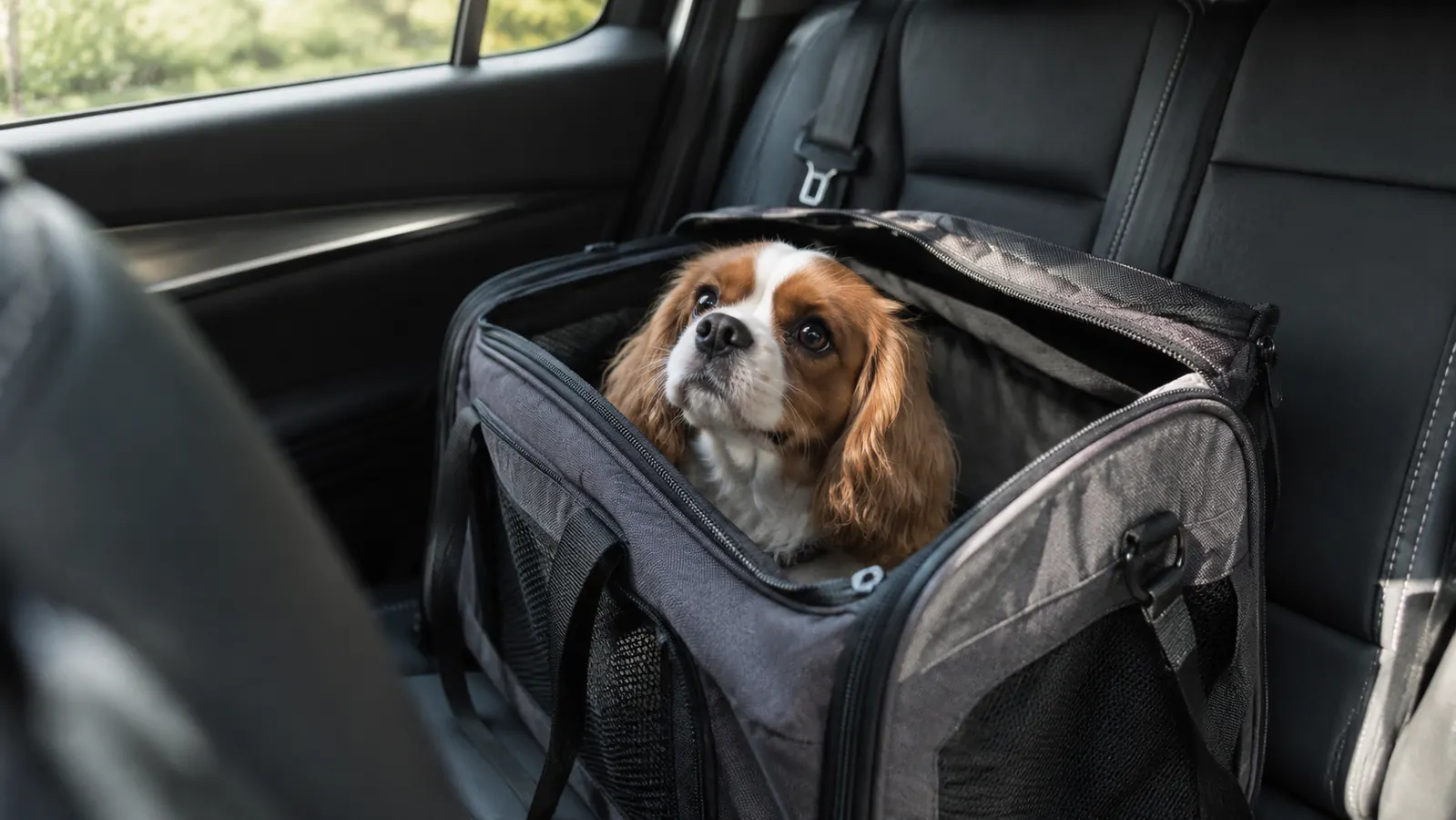
The week before the flight, I left the Henkelion open on the living room floor with a small treat inside. Biscuit walked in, claimed it, and walked out. We did that twice a day for seven days. Sometimes the carrier sat on the back seat of the CR-V while I ran errands with him inside. Sometimes I zipped it closed for a minute and sat beside it. By the night before we left, he was curling up in it on his own, the way he does in his crate at home.
I fit-tested the Henkelion at the gate with minutes to spare. It slid under the seat, and Biscuit curled up before the plane reached the runway.
Take the under-seat gamble out of your next flight
The Henkelion is the carrier I measured twice, packed for a real flight, and fit-tested at the gate. It also carries more than 53,000 ratings at 4.6 stars. Compare the numbers to your airline's seat box, then see today's price.
Amazon Check Today's Price on Amazon →Departure day started at 4:30 in the morning. Biscuit shook in the terminal; I will not pretend otherwise. At security I unzipped the side opening, lifted him into my arms, and sent the empty Henkelion through the X-ray while I carried him through the metal detector. On the other side I set him down, opened the top, and he scrambled inside on his own. That was the first sign that the week of practice had done its job, and I nearly cried in line at the coffee stand. He was not being brave. He was just doing the boring thing we had practiced, and somehow that was better.
The real test came at the gate. A flight attendant's word decides whether a carrier flies, and I had imagined plenty of arguments involving a tape measure. I did not need them. I lowered the Henkelion into the space under my seat, and it slid in with room to spare. The flight attendant walking past gave it a single nod. Nobody asked me to move it. The man in the aisle seat asked which carrier that was. Henkelion, I told him, and he nodded the way people nod when they are already looking something up on their phone.
Takeoff was the part I had braced for. In the car, Biscuit only settles when he can see my face, and from under the seat he could not see it. I rested one hand on the top of the carrier for the whole climb. He pressed his nose to the mesh, let out the small sigh that Yorkies do, and turned in a circle. By the time the seatbelt sign went off, he was asleep again.
Two hours later we landed with no barking, no accidents, and no apology tour to the row behind us. I unbuckled and lifted the carrier out by its handle. Biscuit opened one eye, decided the trip was not worth waking up for, and went back to sleep. I have flown with him twice since then. The routine is the same every time: Henkelion out of the bag, top zipper open at the gate, one hand on the carrier for the first ten minutes.
What I'd Tell You If We Were Sitting at My Kitchen Table
Here is what I would tell you if we were sitting at my kitchen table. The carrier matters, but the routine around it matters more. Buy one that fits the box your airline publishes. The Henkelion has fit every plane I have put it on, and I still measure before each trip. Then spend the week before the flight making the carrier the most boring object in the house. Leave it open. Drop treats in it. Let your dog nap in it. Take it on errands. If you skip that week, you have bought a bag your dog will fight. Do the boring practice, and the flight becomes a nap for both of you.
Do the boring practice, then book the flight
If the Henkelion matches the measurements your airline publishes, give your dog a week to get used to it at home before you fly. That routine is the reason Biscuit slept through the flight. Check the current price and judge it against your own gate agent.
Amazon Check Today's Price on Amazon →